Is Driving an Electric Vehicle Beneficial for Your Wallet and the Environment
Electric vehicles (EVs) have surged in popularity over recent years. With growing concerns about climate change and rising fuel prices, many drivers wonder if switching to an EV makes sense both financially and environmentally. This post explores whether driving an electric vehicle truly benefits your wallet and the planet, breaking down costs, savings, and environmental impacts to help you make an informed decision.

Understanding the Costs of Owning an Electric Vehicle
When considering an EV, the upfront price often stands out. Electric cars typically cost more than comparable petrol or diesel. For example, in 2024, the average price of a new EV in was around £40,000, while a similar petrol car was circa £30,000. This difference can discourage some buyers.
However, the initial cost is only part of the story. Several factors influence the total cost of ownership:
Government incentive: - When buying an EV under £37,000 the government will chip in £3,750 in its Electric Car Grant (ECG). There are also.. - chargepoint grants for renters/flat owners - company-can benefit-in-kind tax savings - salary sacrifice schemes offered by some companies to incentivise people to go EV.
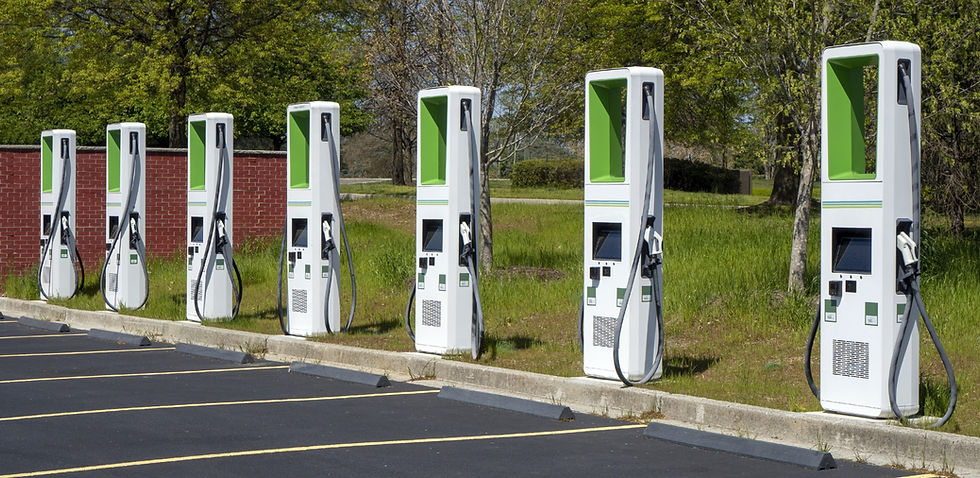
Charging infrastructure: Installing a home charger may cost between £400 and £1500, but public charging stations are rapidly becoming more widespread.
Battery replacement: EV batteries degrade over time but typically last 10 to 15 years. Replacement costs have dropped significantly, now averaging £4,000 to £6,000 and will continue to reduce. We would recommend putting aside £50 each month into a battery fund (you will be saving much more than this in fuel costs), then you will have the money there ready for battery replacement as and when needed. having said that - if the battery reduces to 80% capacity after 10 years - your 300 mile range will still be 240 miles.
Resale value: EVs tend to hold their value well, especially as demand grows.
Savings on Fuel and Maintenance
One of the biggest financial advantages of EVs comes from lower operating costs. Electricity is significantly cheaper than gasoline (even after the Labour government takes 3p per mile from you) and EVs convert energy more efficiently.
Fuel savings: Charging an EV costs typically 25p per kWh at home (much cheaper if you go for a cheap night time tariff from your supplier). A kWh of electricity will drive most EVs 4 miles which means 6p per mile. Petrol cars are typicall 15p per mile so the savings will halve your fuel bill even if you have to charge at a miore expensive public point occassionally.
Maintenance savings: EVs have fewer moving parts, no oil changes, and less brake wear due to regenerative braking. This will save hundreds of pounds annually on maintenance.
These savings accumulate over time, offsetting the higher purchase price within 5 years, depending on driving habits and local energy costs.
Environmental Benefits of Driving Electric
Electric vehicles produce zero tailpipe emissions, which reduces air pollution and improves public health. But the environmental impact also depends on how the electricity is generated.
Cleaner energy mix: In regions where electricity comes from renewable sources like wind or solar, EVs have a much smaller carbon footprint than fossil fuelled cars.
Lower greenhouse gas emissions: Studies show EVs emit 40% to 70% less greenhouse gases over their lifetime compared to internal combustion engine vehicles.
Battery production impact: Manufacturing EV batteries requires mining materials like lithium and cobalt, which has environmental and ethical concerns. However, advances in recycling and battery technology are reducing these impacts.
Switching to an EV supports the transition to cleaner energy and helps reduce dependence on fossil fuels.
Real-World Examples of EV Ownership
Consider Sarah, a commuter who drives 15,000 miles annually. She bought a mid-range EV for £40,000. Her electricity costs about 25p per kWh, and she charges mostly at home overnight.
Sarah spends roughly £600 per year on electricity for driving.
Her maintenance costs are about £300 annually, compared to £1000 for her previous gasoline car.
Over 5 years, she saves around £11,000 in fuel and maintenance.
Her EV produces about 60% less carbon emissions than her old car.
This example shows how EVs can be a smart financial and environmental choice for many drivers.
Challenges and Considerations
EVs are not perfect for everyone. Some challenges include:
Range anxiety: Although many EVs now offer 250+ miles per charge, long trips require planning for charging stops.
Charging availability: Urban residents without private parking may find it harder to install chargers.
Upfront cost: Not everyone can afford the higher initial price despite savings over time.
Battery lifespan: While improving, battery degradation can affect resale value and performance.
Weighing these factors against your driving needs and budget is essential.
How to Decide if an EV is Right for You
To determine if an electric vehicle fits your lifestyle and finances, ask yourself:
How many miles do I drive each year?
Do I have access to home or workplace charging?
What are local incentives or rebates available?
How important is reducing my carbon footprint?
Can I afford the upfront cost or finance it over time?
Talking to current EV owners will help clarify the benefits and drawbacks.


Comments